Complete Travel Guide for Modern Japan
Japan has always fascinated travelers with its unique ability to combine ancient traditions and futuristic innovation in one seamless experience. From peaceful shrines hidden between skyscrapers to high-speed trains connecting vibrant cities, every journey reveals a different side of the country. If you are planning your next international adventure, understanding how modern Japan works today can transform a good trip into an unforgettable one.
A well-prepared modern japan travel guide is no longer just about famous landmarks. Today's travelers are looking for authentic cultural encounters, efficient transportation, smart travel technology, and lesser-known destinations that offer deeper experiences beyond the typical tourist trail. The more you understand modern Japan before arriving, the more rewarding every moment of your journey becomes.
Essential Planning for a Modern Japan Trip
Planning is often the difference between a stressful vacation and a smooth travel experience. Before booking flights or selecting destinations, it helps to understand how Japan's tourism landscape continues to evolve. A carefully organized trip allows you to maximize your time while discovering both iconic attractions and hidden gems.
The latest japan travel guide 2026 trends show that travelers are increasingly prioritizing flexible itineraries, digital travel tools, and regional destinations outside the traditional Tokyo-Kyoto-Osaka route. This shift creates opportunities to experience a more authentic side of Japan while avoiding overcrowded tourist hotspots.
Travel Documents and Entry Requirements
Before departure, ensure your passport remains valid and review the latest visa regulations applicable to your nationality. Japan continues to modernize its immigration systems, making arrival procedures more efficient for international visitors. Completing digital customs and immigration forms in advance can significantly reduce waiting times upon arrival.
Travelers searching for information about Japan visa requirements, digital immigration services, and Japan entry procedures for international tourists should always verify details through official government sources before traveling.
Budgeting and Accommodation Choices
Japan accommodates nearly every travel budget. Luxury hotels, boutique accommodations, traditional ryokans, capsule hotels, and modern vacation rentals provide a wide range of options depending on your preferences.
Budget planning should include transportation, accommodation, meals, attraction fees, shopping expenses, and emergency funds. Many visitors are surprised to discover that regional cities often offer exceptional experiences at significantly lower costs than major metropolitan areas.
Travelers frequently search for best budget hotels in Japan for international travelers, affordable accommodation near Tokyo stations, and how much money is needed for a two-week Japan trip, making these important considerations during the planning stage.
Creating an Efficient Itinerary
An efficient itinerary focuses on quality rather than quantity. While it may be tempting to visit numerous destinations in a short period, allowing more time in fewer locations often leads to richer experiences.
Consider balancing major cities with smaller towns and rural regions. This approach provides a broader perspective on Japanese culture while reducing travel fatigue and maximizing enjoyment throughout the journey.
Navigating Japan with Ease
One of Japan's greatest strengths is its transportation and technological infrastructure. For many first-time visitors, navigating such an advanced system may seem intimidating at first. Fortunately, once you understand the basics, moving around the country becomes surprisingly straightforward and enjoyable.
Modern travelers increasingly rely on digital solutions, making transportation easier than ever before. Whether using rail networks, navigation apps, or mobile payment services, Japan offers an ecosystem designed to help visitors travel efficiently.
Public Transportation Systems
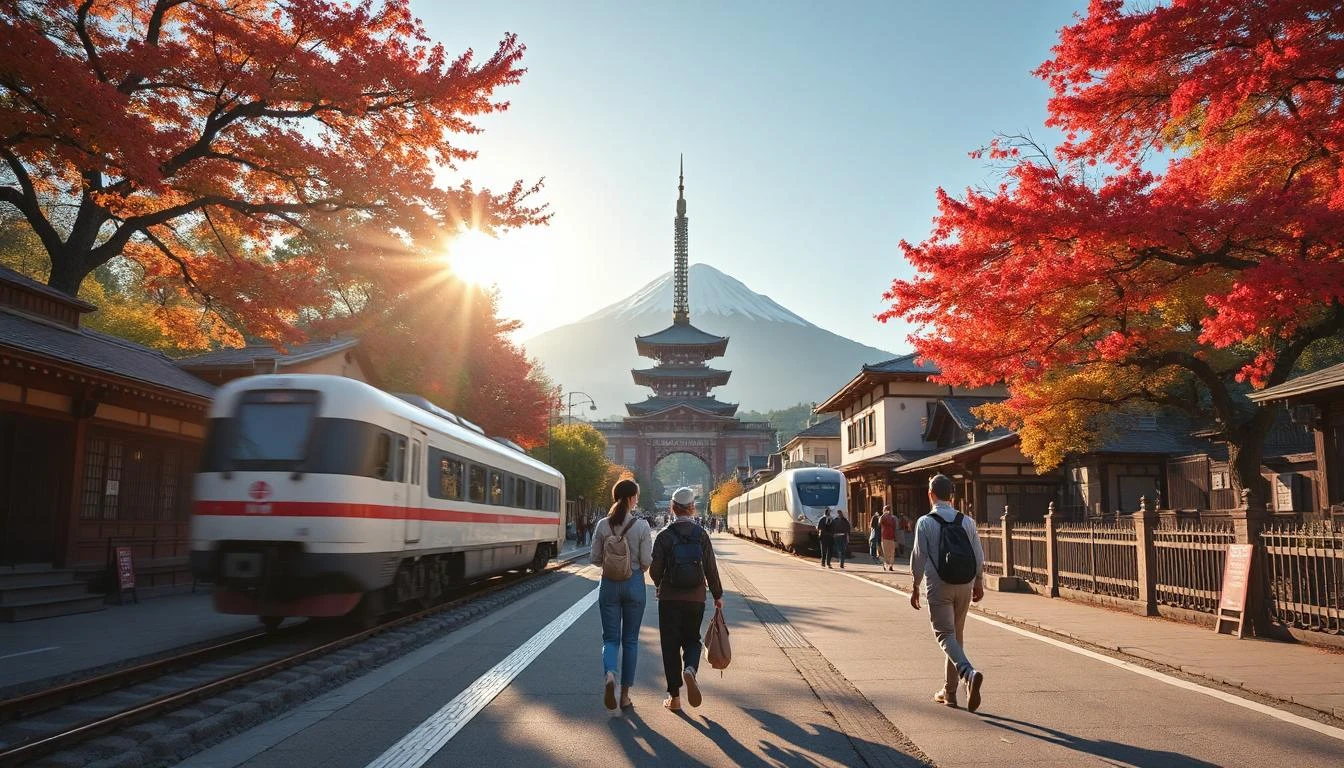
Japan's railway network remains one of the most reliable and efficient transportation systems in the world. The famous Shinkansen, or bullet train, connects major regions quickly while local trains provide access to neighborhoods, attractions, and hidden destinations.
Transportation cards such as IC cards simplify travel across multiple transit systems, allowing visitors to move seamlessly between trains, buses, and selected retail locations.
Digital Travel Apps and Services
Technology plays a major role in modern travel experiences throughout Japan. Translation applications, route planners, restaurant reservation platforms, and digital payment services help eliminate many common travel challenges.
Many businesses now support online reservations and mobile transactions, creating a smoother experience for international visitors who prefer managing their itinerary digitally.
Connectivity and Mobile Internet Options
Reliable internet access has become essential for navigation, communication, and trip planning. Visitors commonly choose eSIM plans, prepaid SIM cards, or portable Wi-Fi devices depending on their travel needs.
Continuous connectivity allows travelers to access maps, transportation schedules, translation tools, and local recommendations in real time, making exploration significantly easier.
Must Have Experiences Across Japan
Beyond logistics and planning, Japan's true appeal lies in its experiences. Every region offers unique attractions, cultural traditions, culinary specialties, and seasonal highlights that contribute to an unforgettable journey.
As travel writer Pico Iyer once observed, "Japan is the most intoxicating place for me. The Japanese culture fascinates me." His observation reflects what many travelers discover after experiencing the country's remarkable blend of tradition and innovation firsthand.
Cultural Landmarks and Attractions
Japan's cultural heritage remains one of its strongest attractions. Historic temples, shrines, castles, and preserved districts provide valuable insight into centuries of history and tradition.
While Kyoto and Nara remain popular destinations, many travelers now seek lesser-known cultural sites where local traditions continue to thrive away from large tourist crowds.
Food and Entertainment Districts
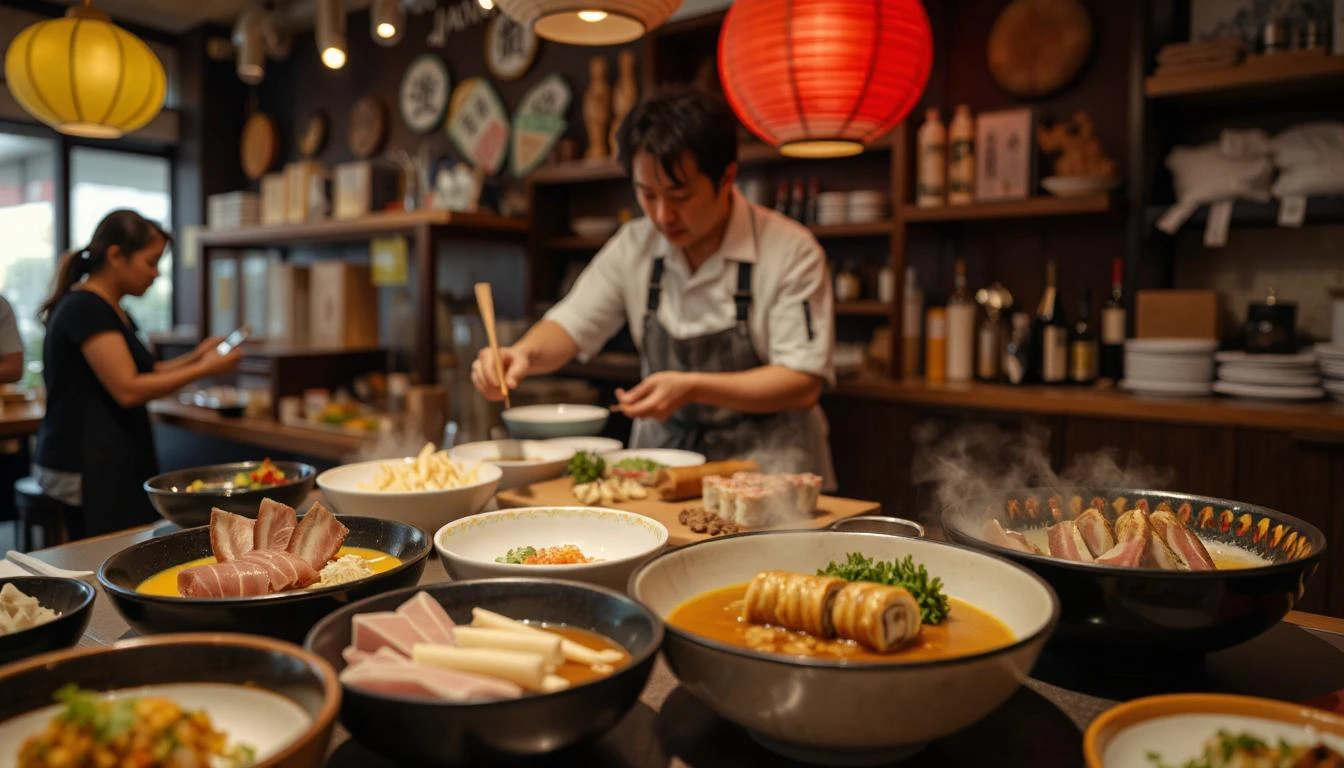
Japanese cuisine extends far beyond sushi and ramen. Regional specialties, street food markets, izakayas, and fine dining establishments showcase extraordinary culinary diversity throughout the country.
Entertainment districts offer a completely different perspective on modern Japan. From neon-lit nightlife areas to traditional performance venues, visitors can explore multiple dimensions of Japanese urban culture.
Seasonal Activities and Events
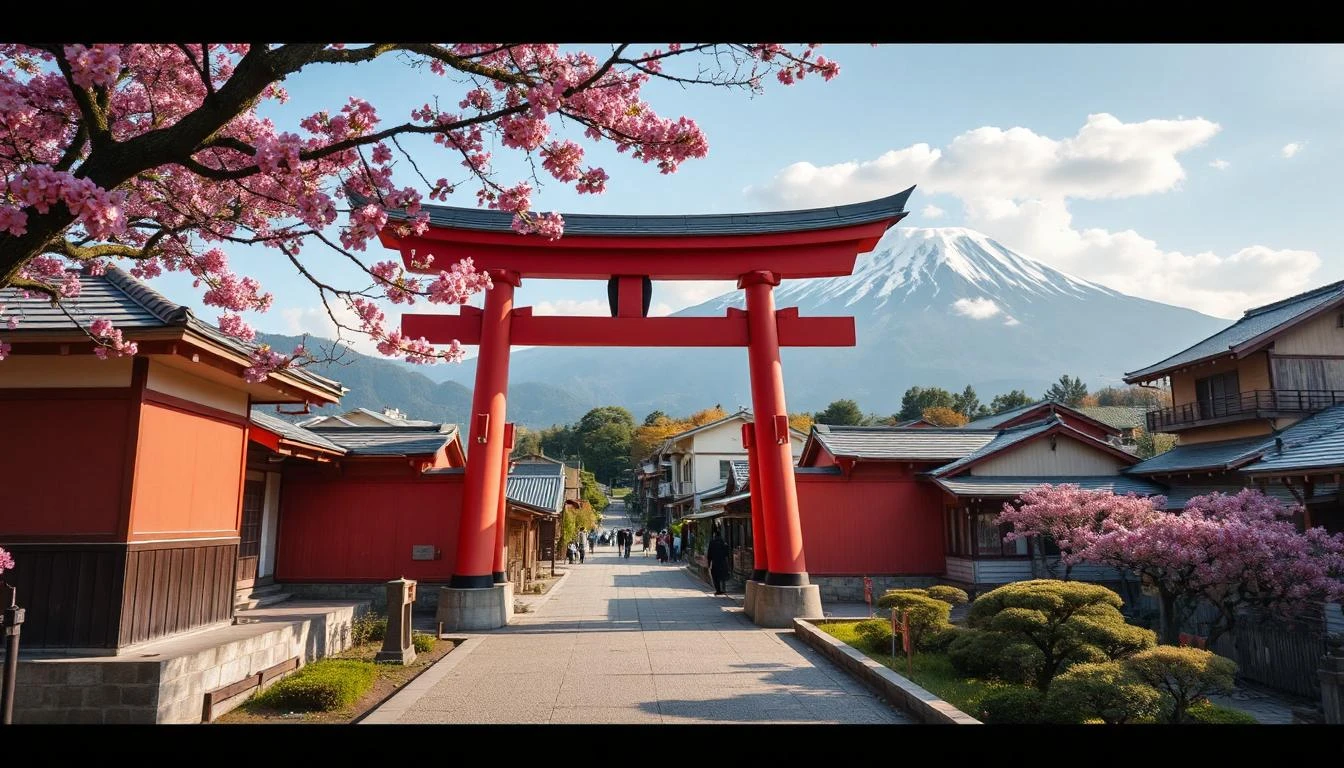
Each season transforms Japan into a distinctly different destination. Spring brings cherry blossoms, summer offers vibrant festivals, autumn showcases spectacular foliage, and winter attracts snow enthusiasts from around the world.
Planning your visit around seasonal events creates opportunities for deeper cultural immersion and memorable experiences that vary dramatically throughout the year.
Practical Travel Tips for International Visitors
Even the most carefully planned itinerary benefits from practical local knowledge. Understanding cultural expectations and common travel habits can help visitors feel more comfortable while avoiding unnecessary misunderstandings.
Travel is often most rewarding when curiosity is balanced with respect. Learning local customs not only enhances your experience but also demonstrates appreciation for the communities you visit.
Local Customs and Etiquette
Japanese society places significant value on politeness, respect, and consideration for others. Simple practices such as waiting patiently in queues, speaking quietly on public transportation, and following local rules can leave a positive impression.
Learning a few basic Japanese phrases is often appreciated and can help create meaningful interactions with local residents.
Safety and Convenience Tips
Japan consistently ranks among the safest countries in the world for travelers. Nevertheless, maintaining awareness of your surroundings and keeping important documents secure remains essential.
Although cashless payments are becoming increasingly common, carrying some cash is still advisable, especially when visiting rural regions or smaller businesses.
Common Mistakes to Avoid
One of the most common mistakes travelers make is trying to see too much in a limited amount of time. Overloaded itineraries often result in exhaustion and reduced enjoyment.
Another frequent mistake involves overlooking regional destinations. Some of Japan's most memorable experiences can be found outside the country's most famous tourist centers.
Plan Your Perfect Japan Adventure and Travel with Confidence
Every successful trip begins with preparation, but the most memorable journeys often come from unexpected discoveries along the way. Whether you are exploring bustling city streets, relaxing in traditional hot springs, tasting regional cuisine, or uncovering hidden cultural treasures, Japan offers experiences that continue to surprise even seasoned travelers.
As cultural anthropologist Ruth Benedict famously wrote, "The Japanese are, to the highest degree, both aggressive and unaggressive, both militaristic and aesthetic." While written decades ago, her observation highlights the fascinating contrasts that continue to define Japan today and contribute to its enduring appeal among global travelers.
The beauty of modern Japan lies not only in what you plan to see but also in what you discover unexpectedly. From quiet neighborhoods and local markets to breathtaking landscapes beyond the guidebooks, every traveler has the opportunity to create a unique story worth remembering long after the journey ends.