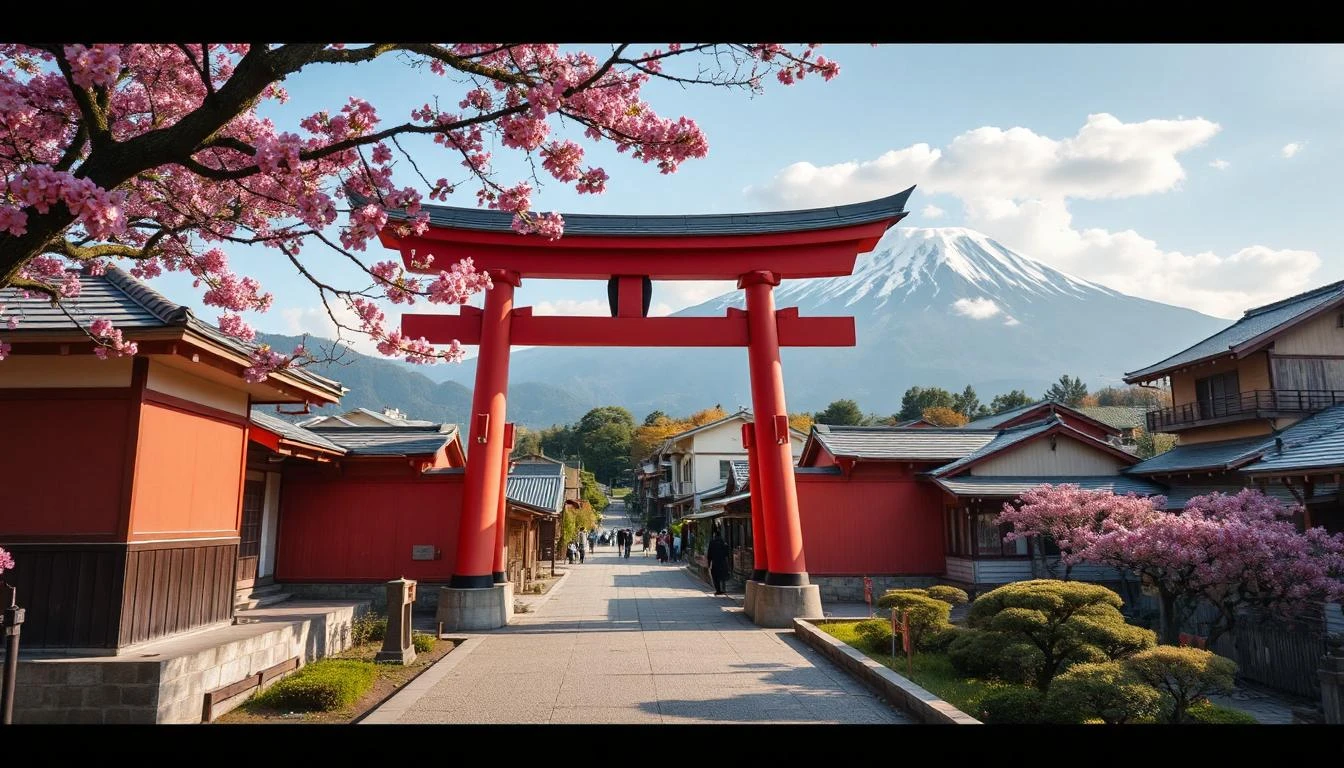
Exploring Japans Rich Food Culture
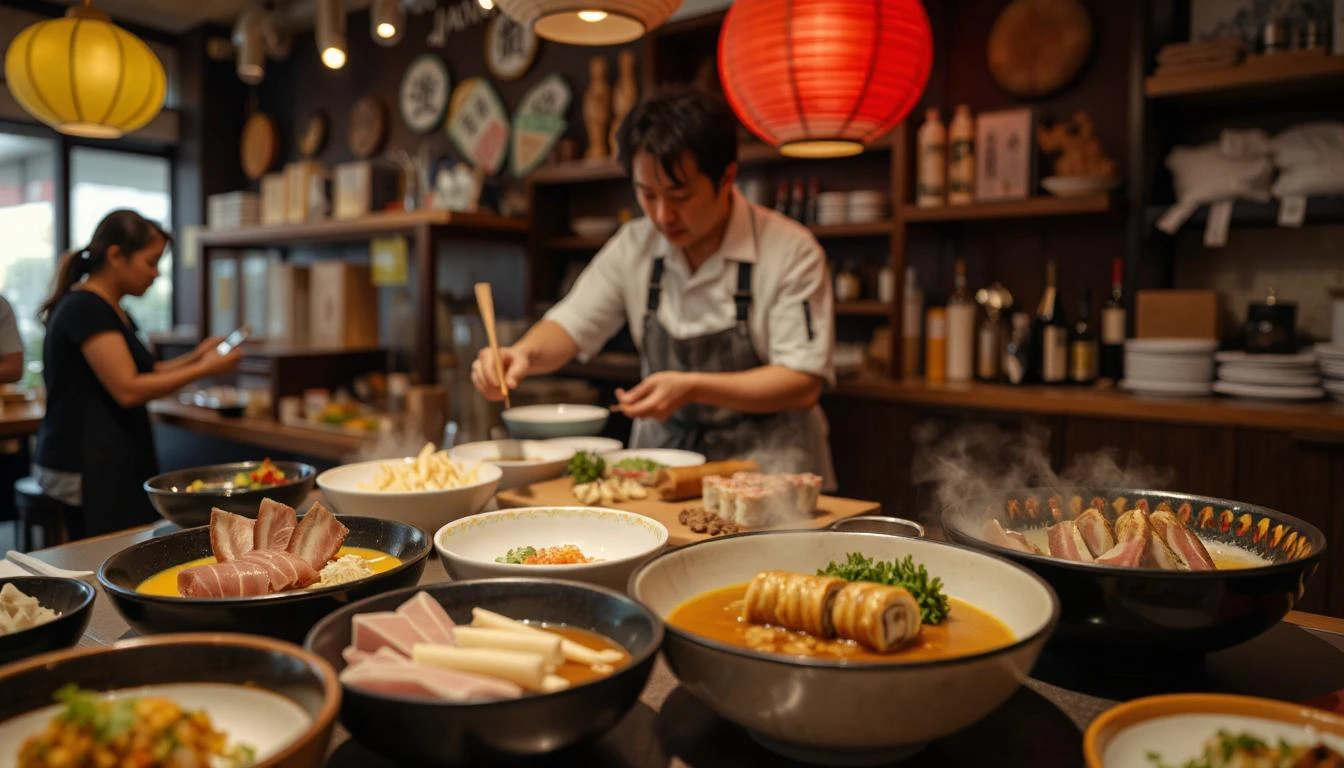
Japan is a country where food is much more than daily sustenance. Every meal reflects history, craftsmanship, local identity, and a deep appreciation for nature. From bustling urban eateries to quiet countryside kitchens, culinary traditions have been preserved and refined for centuries. As you explore Japan's food landscape, you quickly discover that every region offers a different story told through flavor, technique, and hospitality.
Among the many reasons travelers are drawn to Japan, japans rich food culture remains one of the most compelling. Beyond famous dishes like sushi and ramen lies an extraordinary culinary heritage shaped by seasonal ingredients, regional specialties, and generations of expertise. Understanding this unique food culture opens the door to a deeper appreciation of Japanese society, traditions, and everyday life.
Understanding the Foundations of Japanese Cuisine
To truly appreciate Japanese food, it helps to understand the principles that form its foundation. These values influence everything from ingredient selection to cooking techniques and even the way food is presented at the table.
One of the most important elements of traditional japanese food is its emphasis on balance, simplicity, and respect for natural flavors. Rather than overpowering ingredients with heavy seasoning, Japanese cuisine focuses on highlighting the unique characteristics of each component.
Regional Culinary Traditions
Japan's geography has played a significant role in shaping its culinary diversity. Stretching from the snowy landscapes of Hokkaido to the subtropical islands of Okinawa, each region has developed distinct food traditions based on local resources and environmental conditions.
In northern Japan, seafood and dairy products are particularly prominent. Meanwhile, Kansai is known for refined culinary traditions, while Kyushu offers rich broths and bold flavors. These regional variations contribute to the incredible depth of Japanese gastronomy and encourage travelers to venture beyond major tourist destinations.
Seasonal Ingredients and Their Importance
Seasonality is at the heart of Japanese cuisine. The concept of "shun" refers to consuming ingredients at the peak of their freshness and flavor. This philosophy creates a strong connection between food and nature throughout the year.
Spring introduces bamboo shoots and cherry blossom-inspired sweets. Summer brings refreshing noodles and fresh seafood. Autumn highlights mushrooms and chestnuts, while winter features comforting hot pots and seasonal fish. LSI keywords such as washoku, umami flavors, seasonal dining, Japanese culinary heritage, and authentic Japanese cuisine naturally reflect this deep relationship between food and the changing seasons.
The Role of Presentation and Hospitality
Japanese dining places great importance on aesthetics. Plates, bowls, colors, and textures are carefully selected to create visual harmony alongside flavor.
Hospitality also plays a central role. The concept of omotenashi encourages thoughtful service and genuine care for guests. Culinary expert Michael Booth once observed that food serves as one of the strongest expressions of cultural identity, and Japan demonstrates this beautifully through its meticulous attention to detail in every dining experience.
Popular Japanese Dishes and Local Specialties
Many people associate Japanese cuisine with a handful of internationally famous dishes. However, the country's culinary landscape extends far beyond what is commonly seen abroad.
Exploring local specialties allows travelers to discover flavors, techniques, and ingredients that reveal the true diversity of Japanese cooking.
Iconic National Dishes
Sushi remains one of Japan's most recognized culinary exports. Its simplicity showcases the quality of ingredients and the skill of the chef. Ramen has also become a global phenomenon, with countless regional styles offering unique interpretations of broth, noodles, and toppings.
Other beloved dishes include tempura, soba, udon, tonkatsu, and curry rice. These meals provide an excellent introduction for anyone beginning their journey into Japanese cuisine.
Regional Food Experiences
Regional specialties often create the most memorable culinary experiences. Visitors to Kobe can enjoy premium wagyu beef, while Hiroshima offers its distinctive layered version of okonomiyaki. Fukuoka is celebrated for tonkotsu ramen, and Kanazawa is known for exceptionally fresh seafood.
For travelers searching for the best traditional Japanese food experiences in Japan, regional cuisine often delivers the most authentic and rewarding discoveries.
Street Food Favorites Across Japan
Japanese street food combines convenience with exceptional quality. Local festivals and food markets introduce visitors to a variety of flavors that are both accessible and deeply connected to local traditions.
Popular favorites include takoyaki, yakitori, taiyaki, and yakisoba. These dishes offer a casual yet immersive way to experience local culture while interacting with residents and fellow travelers.
Traditional and Modern Food Trends
Japanese cuisine continues to evolve while maintaining strong connections to its roots. This balance between preservation and innovation has helped Japan remain one of the world's most influential culinary destinations.
Understanding both traditional and modern trends provides valuable insight into how Japanese food culture continues to thrive.
Historic Cooking Techniques
Many traditional methods remain essential today. Fermentation, charcoal grilling, simmering, and pickling have been practiced for generations and continue to define many classic dishes.
Ingredients such as miso, soy sauce, and sake are products of these time-honored techniques. Their complex flavors contribute significantly to the distinctive umami profile associated with Japanese cooking.
Contemporary Dining Innovations
Modern chefs are embracing sustainability, technology, and creative experimentation. Restaurants increasingly focus on local sourcing, environmentally responsible practices, and innovative menu concepts.
Many contemporary dining establishments combine traditional craftsmanship with modern presentation, creating experiences that appeal to both domestic and international audiences.
Fusion Cuisine and Global Influence
Japanese culinary influence can now be found around the world. Chefs frequently blend Japanese techniques with international ingredients to create innovative fusion dishes.
This global exchange has strengthened Japan's culinary reputation while introducing new interpretations of familiar flavors. The result is a dynamic food culture that continues to inspire chefs and food enthusiasts worldwide.
Experiencing Food Culture Like a Local
For travelers seeking authentic experiences, food provides one of the most direct ways to connect with local communities. Beyond restaurants, everyday culinary experiences reveal the rhythms and values of Japanese life.
Whether visiting markets or participating in cooking classes, these interactions often leave a lasting impression long after the trip has ended.
Visiting Local Markets
Local markets offer an excellent opportunity to observe daily life while discovering regional ingredients. Fish markets, produce stalls, and specialty food vendors showcase the incredible variety of products available throughout Japan.
These environments allow visitors to engage directly with local producers and gain a deeper understanding of ingredient quality and seasonal availability.
Dining Etiquette and Customs
Dining etiquette reflects many of the values embedded within Japanese culture. Expressions of gratitude before and after meals demonstrate respect for both the food and the people who prepared it.
Learning simple customs such as proper chopstick usage can enrich the dining experience and foster greater cultural appreciation.
Food Focused Travel Experiences
Food tourism has become increasingly popular among travelers looking for meaningful experiences. Cooking workshops, sake brewery tours, farm visits, and regional food festivals provide opportunities to explore Japanese culture from a unique perspective.
Those seeking how to experience authentic Japanese food culture beyond sushi often find these immersive activities especially rewarding.
Taste the Authentic Flavors of Japan on Your Next Journey
The true beauty of Japanese cuisine lies in its ability to connect people with place, history, and tradition. Every meal tells a story, whether it is served in a Michelin-starred restaurant or a family-owned eatery tucked away in a quiet neighborhood.
Food anthropologist Naomi Moriyama famously noted that Japanese food celebrates freshness, simplicity, and respect for ingredients. This philosophy continues to define the country's culinary identity and explains why Japanese cuisine remains admired across the globe. As you plan your next adventure, consider looking beyond the familiar and discovering the regional flavors, local traditions, and hidden culinary treasures that make Japan such an extraordinary destination. The most memorable journeys often begin with a single bite.